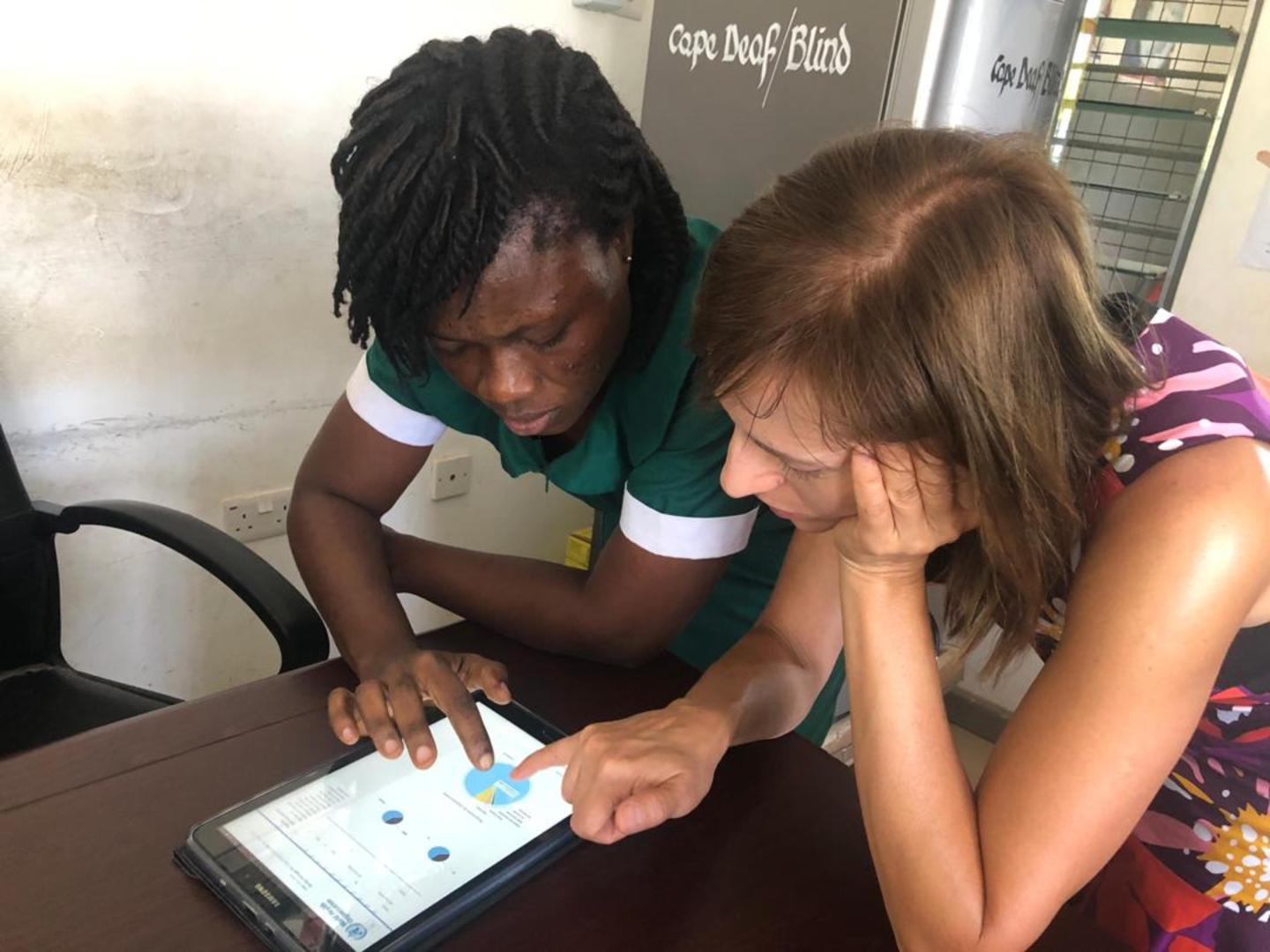
WHO provides a wide range of training and skills improvement materials to support the delivery of maternal, newborn, child and adolescent Health (MNCAH) interventions. These resources are designed to equip health care providers with the knowledge and skills necessary to ensure high-quality, evidence-based care, ultimately improving health outcomes across these critical populations.
Maternal, Newborn, Child and Adolescent Health and Ageing
We lead WHO’s work on the life course so that every pregnant woman, mother, newborn, child, adolescent, and older person will survive, thrive and enjoy health and well-being.
Training and skills improvement materials
- Competency-based training for health workers: WHO offers training modules that are competency-based, focusing on essential skills for safe and effective care. For example, training in maternal and newborn care includes modules on skilled birth attendance, emergency obstetric care and neonatal resuscitation. These materials aim to reduce maternal and neonatal mortality by enhancing health care provider competencies.
- Integrated management of childhood illness (IMCI) training: IMCI training materials equip health care workers with the skills to assess, classify and manage common childhood illnesses, such as pneumonia, diarrhoea and malnutrition. This approach improves the quality of child health services and supports early detection and treatment.
- Adolescent-friendly health services training: Special training programmes focus on equipping health care workers to provide youth-friendly services, ensuring they are sensitive to the unique health needs of adolescents, including sexual and reproductive health, mental health and nutrition.
- E-learning platforms: WHO’s digital platforms offer self-paced learning modules on various MNCAH topics, allowing for continuous skills development and access to up-to-date evidence.
These training materials aim to standardize care, enhance service quality and ensure that health care providers are equipped to deliver effective MNCAH interventions across different settings.
/teams/regional-emergencies-programme-and-division-of-health-security-and-emergencies-(dse)/emergency-operations-(emo)/tonga-pheoc-simex.jpg?sfvrsn=be5f69b9_3 "Tonga PHEOC training and simulation exercise")
Resources

Latest publication
23 June 2026
Strengthening capacity for newborn screening, diagnosis and management of birth defects: WHO technical...
This report summarizes a WHO technical consultation focused on strengthening newborn screening, diagnosis and management of birth defects within national...
14 May 2026
Working for a brighter, healthier future: how WHO improves health and promotes well-being for the world’s...
WHO continues to strengthen its work for adolescent health and well-being through a coordinated approach led by the HQ Interdepartmental Technical Working...
Sickle-cell disease (SCD) is the most common inherited blood disorder worldwide and a leading cause of preventable child death and disability, particularly...